

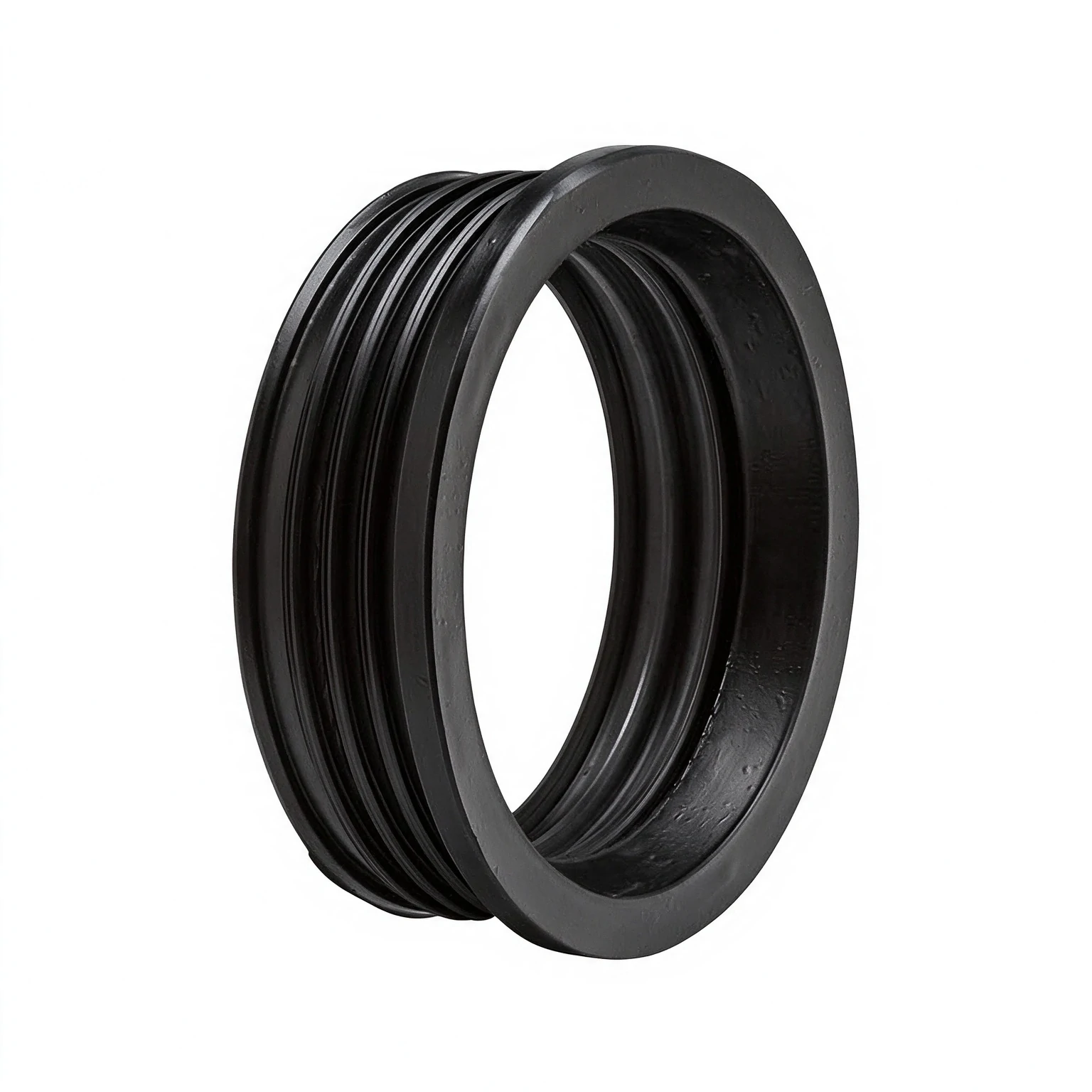
Sealing Gasket for Large-Scale Oil Pipelines
Gaskets for Large Pipeline Connections
Large pipeline systems may use different flange designs and connection arrangements. The gasket geometry must match the specified interface.
For an oil pipeline gasket enquiry, the purchaser should identify:
- Pipeline and flange type
- Nominal pipe size
- Flange dimensions and facing
- Gasket dimensions
- Operating medium
- Temperature and pressure conditions
- Required gasket material
- Installation and inspection requirements
The gasket should be specified according to the actual flange design. Nominal pipe size alone is not sufficient to determine the gasket dimensions.
Gasket Geometry and Configuration
The gasket configuration depends on the connection design and sealing requirements.
| Gasket Type | Typical Design Consideration |
|---|---|
| Flat Gasket | Flat mating surfaces and specified gasket dimensions |
| Ring Gasket | Ring-shaped geometry matching the connection interface |
| Custom-Cut Gasket | Shape and dimensions defined by a drawing |
| Non-Asbestos Gasket | Material and construction selected according to the specified product requirements |
The final gasket type should follow the applicable piping and flange design. A flat gasket, ring gasket and other specialized gasket configurations are not interchangeable without checking the interface requirements.
Hengjing’s Rubber Gaskets categories provide relevant starting points for industrial gasket enquiries.
Material Selection for Oil Pipeline Gaskets
The material must be compatible with the oil or other medium, temperature, pressure, flange design and installation conditions. Different rubber materials offer different characteristics, so the selection should be based on the specific pipeline application rather than the material name alone.
Oil Pipeline Gasket Material Comparison
| Material | Common Selection Considerations | Potential Applications | Important Checks | |
|---|---|---|---|---|
| NBR Rubber | Resistance to certain oils and lubricants | Oil-related sealing applications where the compound is compatible with the medium | Exact oil type, temperature, pressure and compound compatibility | |
| FKM Rubber | Resistance to certain demanding heat, oil and chemical environments | Applications requiring compatibility with selected oils, fuels or chemicals under elevated temperatures | Exact medium, temperature range, pressure and formulation | |
| EPDM Rubber | Weathering, ozone and suitable water-related applications | Applications involving compatible water-based media or environmental exposure |
|
Large Pipeline Gasket Applications
Gaskets may be used at specified connections within pipeline systems and related equipment.
Pipeline Flange Connections
A gasket may be installed between mating flange faces according to the pipeline design. The gasket dimensions, material and configuration must match the flange interface.
Oil Transfer and Industrial Fluid Systems
Some oil transfer and industrial fluid systems use gasketed connections. Selection should consider the medium, temperature, pressure, flange design and applicable engineering requirements.
Pipeline Maintenance and Replacement
Replacement gaskets may be required during scheduled maintenance or when an existing gasket is damaged or no longer suitable.
For replacement enquiries, provide the original gasket drawing, flange details, part number, operating conditions and required quantity.
Custom Gasket Dimensions and Technical Requirements
Large pipeline gaskets may require specific dimensions and profiles defined by the connection design.
| Specification | Information to Provide |
|---|---|
| Gasket Type | Flat, ring or other specified configuration |
| Nominal Pipe Size | Pipeline nominal size |
| Flange Standard | Applicable flange specification |
| Flange Facing | Facing type and dimensions |
| Gasket Dimensions | Inner diameter, outer diameter and thickness |
| Material | Required material or specification |
| Operating Medium | Oil type or other relevant medium |
| Temperature | Operating temperature |
| Pressure | Required operating pressure |
| Quantity | Required order quantity |
| Inspection | Dimensional and other acceptance criteria |
Where a drawing is available, it should identify the gasket geometry and relevant tolerances.
If a drawing is not available, the purchaser should provide the flange specification, dimensions, equipment details and photos. The information must be verified before confirming the gasket specification.
Gasket Selection and Pipeline Compatibility
The gasket is one part of a larger pipeline connection. Its suitability depends on the combined requirements of the gasket, flange, fasteners, installation process and operating conditions.
Before requesting a quotation, confirm:
- The flange type and facing
- The applicable piping or flange standard
- The specified gasket material
- The operating medium
- The operating pressure and temperature
- Any special installation or inspection requirements
A gasket should not be selected solely by nominal pipe size or by the general description “oil-resistant gasket.”
For critical pipeline applications, the responsible engineering team should confirm that the selected gasket and connection arrangement meet the applicable design requirements.
Standards and Testing Considerations
Pipeline gasket requirements may be defined by the applicable piping, flange and gasket standards, together with project specifications.
Depending on the product and connection, standards may address dimensions, materials, design, testing or installation. The applicable standard should be identified by the customer or project specification.
Hengjing should only state compliance with a specific standard when the relevant product has been verified against that standard and the supporting documentation is available.
Where inspection or material documentation is required, identify it in the RFQ before quotation.
Why Choose Hengjing for Oil Pipeline Gaskets?
Hengjing supports industrial gasket and sealing component enquiries, including custom products based on drawings and application requirements.
Relevant product categories include:
For large pipeline gasket projects, we recommend providing the flange details, gasket drawing, operating conditions, material requirements and quantity.
Request a Quote for Oil Pipeline Sealing Gaskets
Submit your gasket drawing, flange details, material requirements, operating conditions and quantity through Hengjing’s quotation page.
Our team can review the available information and clarify the specifications required for the enquiry.
Frequently Asked Questions
What is a sealing gasket for large-scale oil pipelines?
It is a gasket designed for a specified pipeline connection where the mating surfaces require a sealing component. Its geometry and material depend on the flange design and operating conditions.
How do I select a gasket for an oil pipeline?
Review the flange type, dimensions, facing, operating medium, temperature, pressure, material requirements and applicable project specifications.
Are rubber gaskets suitable for all oil pipelines?
No. Suitability depends on the oil type, temperature, pressure, gasket design and compound compatibility. The material must be verified for the specific application.
Can Hengjing provide custom large pipeline gaskets?
Custom gasket enquiries can be reviewed based on drawings, flange details, material requirements and operating conditions. Product feasibility and specification must be confirmed.
What information is required for a pipeline gasket quotation?
Provide the flange standard and type, gasket dimensions, material, operating medium, temperature, pressure, quantity and any inspection or documentation requirements.
Can Hengjing supply non-asbestos gaskets for pipeline applications?
Hengjing has a Non-Asbestos Gasket Sheets product category. The suitability of a specific sheet material for an oil pipeline gasket must be reviewed against the application and project requirements.
Can I request a replacement gasket without a drawing?
Provide the original part number, flange details, dimensions, photos and equipment information. Additional technical information may be needed to confirm the correct gasket specification.